
How to Store Fruit & Veg So It Lasts Longer
To help you get the most out of your fruit and vegetables, here are essential fridge storage rules and practical tips so nothing goes to waste.
Oddbox’s mission is to make the most of what’s already there. Quite a statement to start with, I know. But it’s a great mission statement (bias aside) as it really covers a lot.
This mission means not only rescuing food at risk of going to waste on farms but also reducing waste at home too. There’s no point in rescuing from farms if it’s then going to waste in people’s kitchens.
The best way to accomplish this mission from all angles is to give our customers all the best tips to store fruit, veg and more, to ensure it lasts as long as possible. This way, we all reduce waste, and you may not need to pop to the shops as often. What a win.
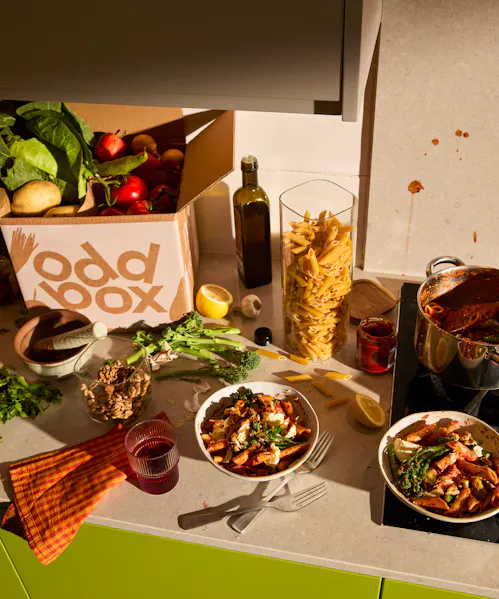
How to keep herbs fresh
Bunches of fresh parsley, coriander and mint can wilt quickly if you’re not careful. But if you treat them right, they can last a couple of weeks, no bother. Simply trim the ends and stand them up in a little water. Cover with a plastic bag (reusing a sandwich bag is a good idea here) and store in the fridge. Do the same with basil but never store in the fridge. It’s very sensitive to the cold and will damage the leaves, turning them brown and limp.
Chives, thyme, and rosemary like it best if you wrap them in damp kitchen paper inside a sealed plastic bag and store in the fridge.
Best way to store veg
An over-packed veg drawer is breeding ground for mouldy carrots and sweaty courgettes. Empty your veg drawer, give it a quick wipe if it’s mucky and remove plastic packaging so your veg doesn’t sweat in their extra layers. This should give it a few extra days.
Potatoes in the fridge?
Carrots and potatoes actually fare best in the fridge, to keep them fresh and crunchy. If your carrots turn bendy, soak them in a bowl of ice-cold water in the fridge for a few hours to revive them. Any sprouts on potatoes can just be sliced off. Often a veg peeler has a little ‘eye’ tool on its edge, specifically for digging the sprouts out.
Separate ethylene producers
Some fruits send a certain chemical into the air that causes other fruit & veg around it to ripen at speed. All of a sudden, one week to eat your peaches turns into a mad rush to eat three in one day.
Some of the main ethylene-producing culprits are: bananas, apples, nectarines, pears, avocados. Store these apart from other fruit & veg to stop this happening.
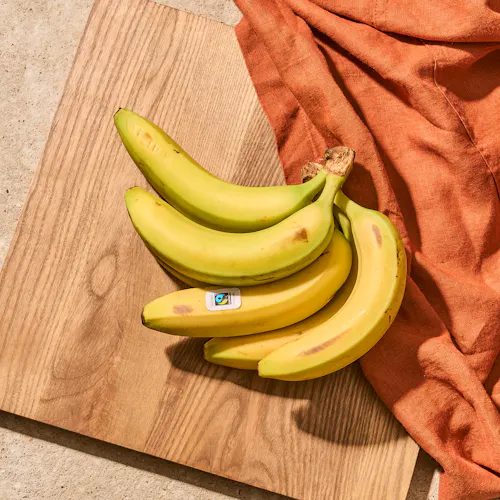
If your fruit does go past its best
Peel, chop, de-stone and freeze fruit you won’t use in time to add straight to smoothies, pancakes and compotes. Slice excess lemons and freeze them too – you can add them straight to your morning tea or ice water.
Remove tops from roots
If you happen to receive veg with leafy tops, such as carrots, beetroot or radishes, remove these tops to avoid drying out the roots. The tops can often be made into something delicious like carrot top pesto, otherwise, you can compost.
Anything dry from The Market
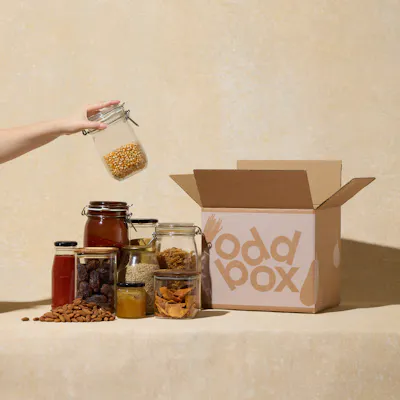
Keep it airtight! Dry store foods, like flour, nuts, dried fruit, spices, granola and cereal as well as bread, all last longer when kept away from oxygen. Keep bread fresh by storing it in a bread bin and store opened packets in glass jars (you can get Oddbox jars now too!)
Some fruit & veg advice that may help
Mooli: Wrap these directly in a damp cloth or kitchen paper and pop them inside a reusable bag in your veg drawer. That little bit of moisture keeps them super crisp (rather than floppy) without letting them dry out.
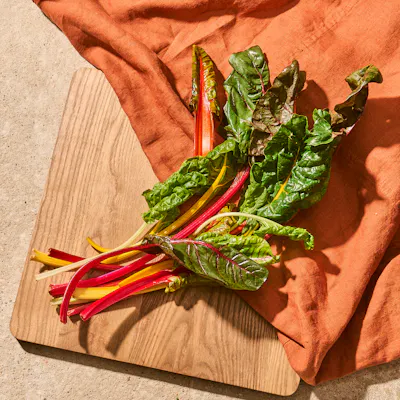
Chicory, Chard & Choi Sum: Treat these to the same damp-towel-and-bag treatment in your veg drawer. Got more greens than you can eat this week? Blanch the leaves in boiling water for a minute, plunge them into cold water, and then freeze for future soups and stir-fries.
Radishes: First step: chop off those leafy green tops right away. They draw moisture out of the root, leaving you with sad, squishy radishes. Store the radishes sans tops in a sealed container with a damp towel, or submerge them entirely in a jar of cold water in the fridge to keep them ultra-crunchy.
Spring Onions: Keep these fresh by wrapping just the white root ends in a damp kitchen paper. Store them in a slightly open bag in the veg drawer so they can breathe a little.
Citrus: Give your satsumas and oranges room to breathe. Avoid closed bags or sealed containers — trapped moisture can quickly become mould. Yuck.
Persimmons: Leave these out in your fruit bowl until they reach peak ripeness. Once they are soft to the touch, pop them in the fridge to make them last a few extra days. Or eat them straight away; it’s up to you.
Pineapple: Fun fact: pineapples don't actually ripen after harvest. A golden colour outside actually only shows maturity rather than ripening (aka extra sweetness), so hanging onto it in the fruit bowl won't make it sweeter. Chop your pineapple into bite-sized chunks as soon as you get your box and place in an airtight container in the fridge.
Don’t forget to check your box letter each week for storage tips, as sometimes that can be quite handy, or you know you can always refer back to this post. We’re glad to have you back whenever.

